Indian Medical Tourism An Evolving Economic Powerhouse Ecosystem Known as Indian Medical Value Travel (MVT).

India uniquely combines modern tertiary care with traditional wellness systems like Ayurveda and Yoga under specialized Ayush visa frameworks. The Indian government is very supportive of this rapidly growing phenomenon. Initiatives like "Heal in India" and streamlined e-medical visas facilitate a seamless end-to-end journey for global patients.
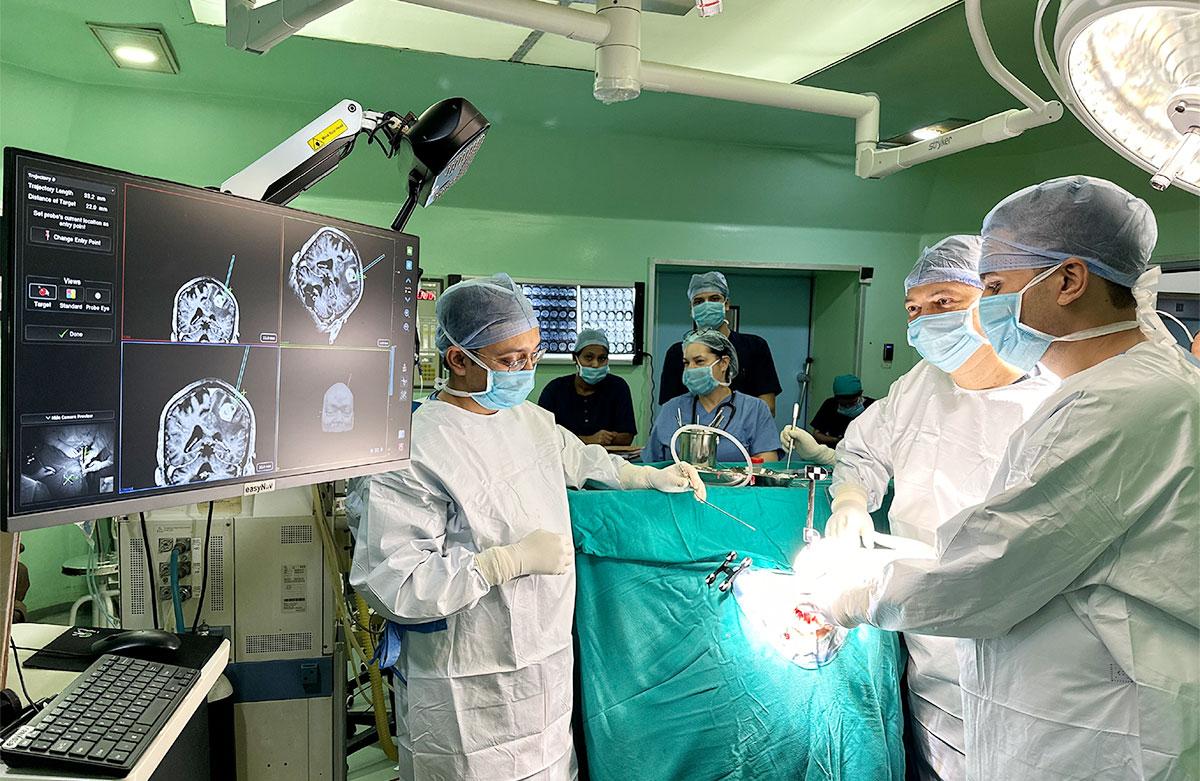
A hip replacement in Vadodara. A dental procedure in Chennai. An IVF treatment in Delhi. Every year, hundreds of thousands of patients travel to India not for its monuments or beaches, but for its medical care. Industry estimates cited by the Economic Survey 2025–26 and the government project India's medical tourism market to grow from around US$8.7 billion in 2025 to US$16.2 billion by 2030. Over the same period, the global Medical Value Travel market is projected to expand from US$115.6 billion in 2022 to US$286.1 billion by 2030.
Additionally, India's broader hospital and healthcare delivery market is expected to grow at 10–12 per cent annually, reaching nearly Rs 12 trillion by FY30, with private hospital chains projected to expand capacity from around 70,000 beds to more than 108,000 by 2030.
Across the world, rising healthcare costs, long waiting times, and the growing burden of lifestyle diseases are driving patients to seek treatment abroad. This global shift has led to the emergence of a multi-billion-dollar Medical Value Travel (MVT) industry. For centuries, India has been regarded as a sanctuary for those seeking healing, balance and recovery. Today, this ancient legacy has evolved into a dynamic Medical Value Travel ecosystem. It combines modern medical science with the timeless wisdom of traditional systems.
As per Ministry of Tourism, Government of India, estimates, in FY24, travel and tourism contributed 5.22 per cent to GDP, close to pre-pandemic levels. The sector also supported an estimated 8.46 crore direct and indirect jobs, accounting for about 13.3 per cent of total employment. India holds a unique advantage that places it 10th globally in the Medical Tourism Index (MTI). The government identifies several pillars of this competitive advantage.
India’s healthcare system is supported by one of the world’s largest pools of trained medical professionals. India has 69,364 hospitals (43,486 private hospitals, and 25,778 public hospitals) with 1.2 million registered doctors, achieving WHO recommended doctor population ratio.
Furthermore, English serves as the primary language of medical education and clinical practice in India, enabling seamless communication with international patients. Over the past decade, India has significantly expanded its medical education capacity and healthcare infrastructure.
This has strengthened the availability of skilled healthcare professionals across specialised disciplines.
India’s healthcare system is supported by robust quality assurance mechanisms and internationally recognised accreditation standards. Hospitals and healthcare providers across the country obtain accreditation from the National Accreditation Board for Hospitals and Healthcare Providers (NABH).
Lamose Gratitude84 in association with Gracias Living is a step towards creating the right ecosystem through Best-in-class post operative wellness in a world-class infrastructure. Lamose Gratitude84 is not just a senior living project but also a global standard housing solution for the rapidly growing new business opportunity.